The Designer Larder
February 10, 2026
What is a Broken-Plan Kitchen Layout
March 16, 2026

A kitchen island can be the best decision you make for your space, it adds storage, worktop room, and creates a natural place for family and friends to gather.
It can also be the thing that makes a kitchen feel awkward if it’s squeezed in without the right planning. The good news, when an island is designed properly, it transforms how a kitchen looks and works.
Below are some island ideas and designer tips to help you get it right, whether you’re dreaming of a sociable open-plan kitchen or just want a more practical layout.
Start with the space, not the island
It sounds obvious, but the island should suit the room, not the other way around. A good island feels effortless, you can move around it comfortably, open doors and drawers without clashes, and still have space for people to pass through. Islands can present a design challenge, which is why measuring and planning circulation is always the first step.
If your kitchen is on the smaller side, a peninsula or slimline island effect can sometimes deliver the same benefits without blocking the flow.
Decide what you want your island to do
The most successful islands have a clear “job”. That might be:
- A prep zone with generous worktop space
- The main cooking zone with a hob and extraction
- A social hub with seating, somewhere to perch with a coffee or a glass of wine
- The storage hero, packed with drawers, bins, and hidden solutions
- A mix of all of the above, if the space allows
Being clear on purpose helps shape the size, layout, and where you place appliances and power.

Make storage work harder
Islands are brilliant for storage, especially when you use drawers rather than cupboards. Deep pan drawers for pots, internal organisers for utensils, pull-out recycling, and dedicated zones for small appliances can keep the main runs of cabinetry calmer and more minimal.
A good island can also replace the need for extra wall units, helping a kitchen feel lighter and more open, especially in open-plan rooms.
Seating, get the comfort right
Seating is often the reason people want an island, and it’s also where many islands fall short. The best island seating feels comfortable, not squeezed.
Think about legroom, whether you want stools tucked under, and how many seats you realistically need day-to-day. If the island is for quick breakfasts and company while cooking, two or three well-spaced stools are often better than trying to cram in four.

Islands look best when they feel intentional
Some of the most beautiful kitchens use the island as a design feature, not just a block in the middle.
This could mean:
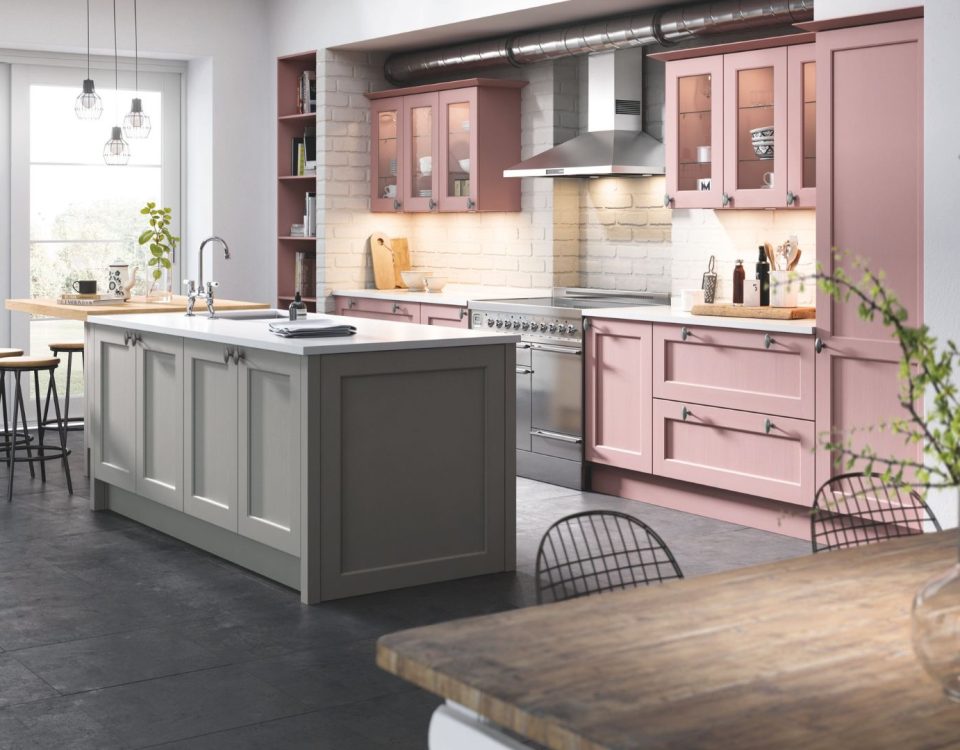
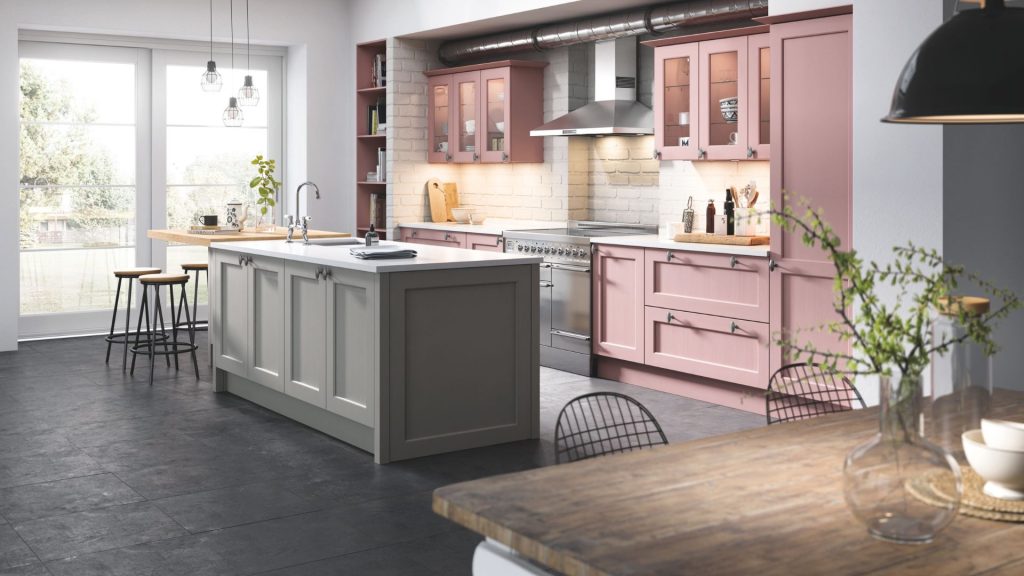
- A contrasting colour on the island to add depth
- A different door style, such as fluted or a timber finish
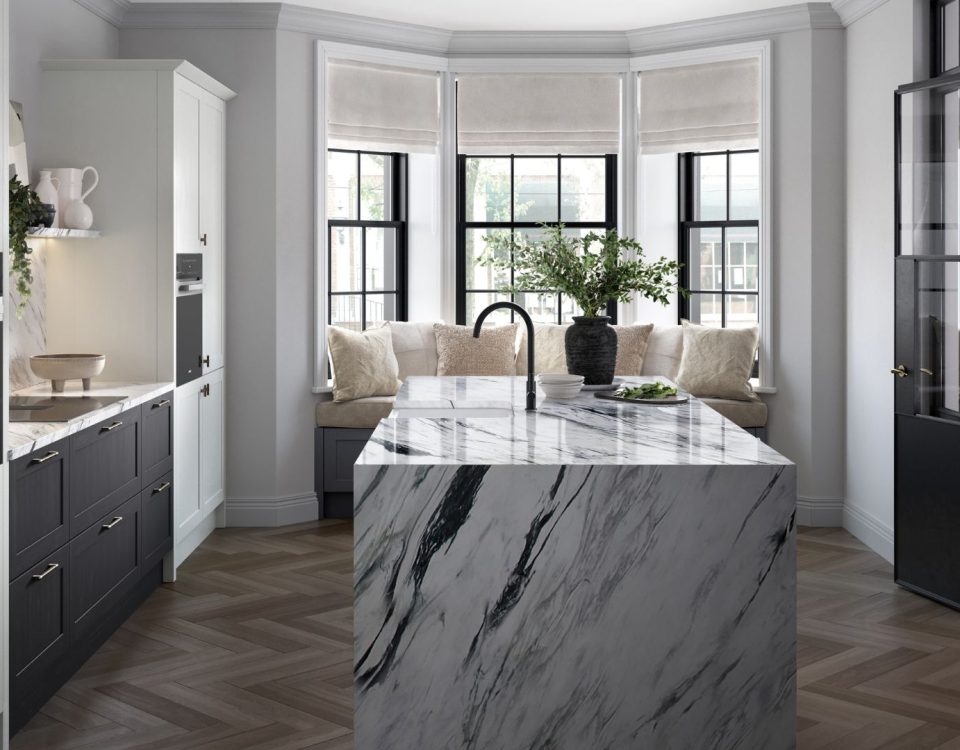
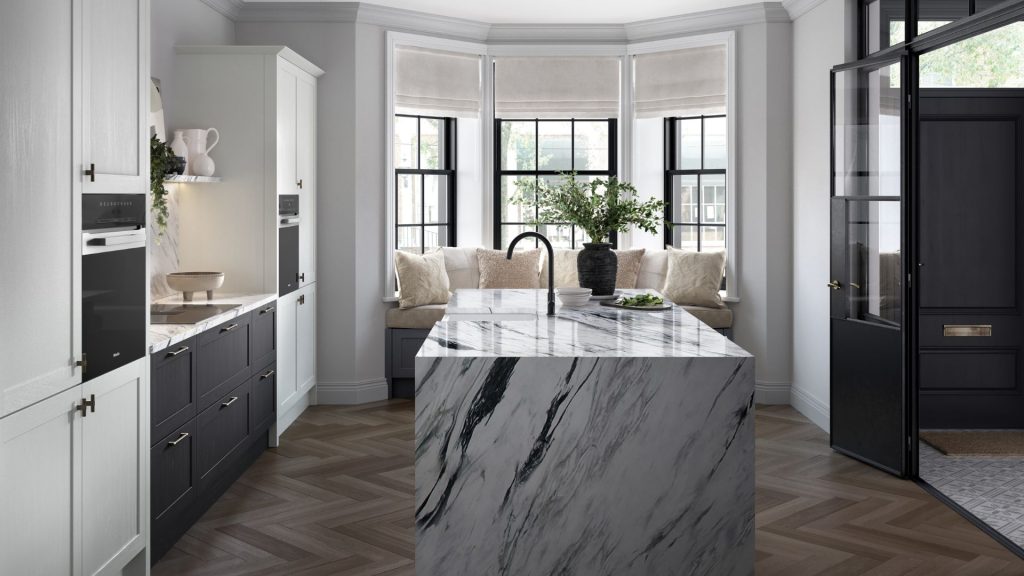
- A statement worktop, like quartz, granite, or porcelain
- Furniture-style details, such as end panels, legs, or a softer edge profile
Our island inspiration shows just how varied islands can be, from classic furniture-style pieces to clean, modern islands with strong architectural lines.
Lighting matters more than people think
Islands need good lighting, for function and atmosphere. Pendant lights create a focal point, while under-cabinet and plinth lighting adds warmth in the evenings. A well-lit island makes the whole kitchen feel more inviting, especially as the seasons change. Thoughtful kitchen details like lighting are often what makes a space feel finished.
Power points and practicality, plan them early
If your island is going to be used properly, you’ll likely want power for charging, small appliances, or a hidden socket for entertaining. Planning this early avoids awkward extensions later and keeps the island looking clean.
If you’re including a hob or sink, you’ll also need to consider extraction and plumbing routes, these are completely doable, but they need designing properly from the start.
Choose the right worktop for island life
Islands get used hard. They’re often the main prep space, the gathering spot, and the dumping ground for post and school bags. A durable, easy-care worktop can make everyday life easier, especially in busy homes.
If you want your island to feel like a statement, a bolder surface or waterfall edge can create a beautiful centrepiece, while still being practical.
Find out more in our Choosing the Right Worktop blog here.

When an island isn’t right, don’t force it
Not every kitchen needs an island, and forcing one in can make the room feel cramped. Designers often warn that squeezing an island into a space that can’t comfortably accommodate it creates traffic issues and makes the whole kitchen feel smaller.
If you love the idea of a social hub but space is tight, a peninsula, a compact island, or a different layout can still give you that “gathering point” feeling.
A kitchen island should fit your home, and your budget
An island can be as simple or as feature-led as you like. The key is designing it around you, how you cook, how you entertain, how much storage you need, and what you want your kitchen to feel like. We help you make those decisions clearly, and we’ll always keep the design grounded in what works for your space and your budget.
If you’re considering a kitchen with an island, pop in for a chat or contact us here, we’ll help you work out what’s possible and design an island that earns its place at the heart of your home.