Kitchens with Island Ideas
February 24, 2026
How to Plan a Kitchen Renovation
April 1, 2026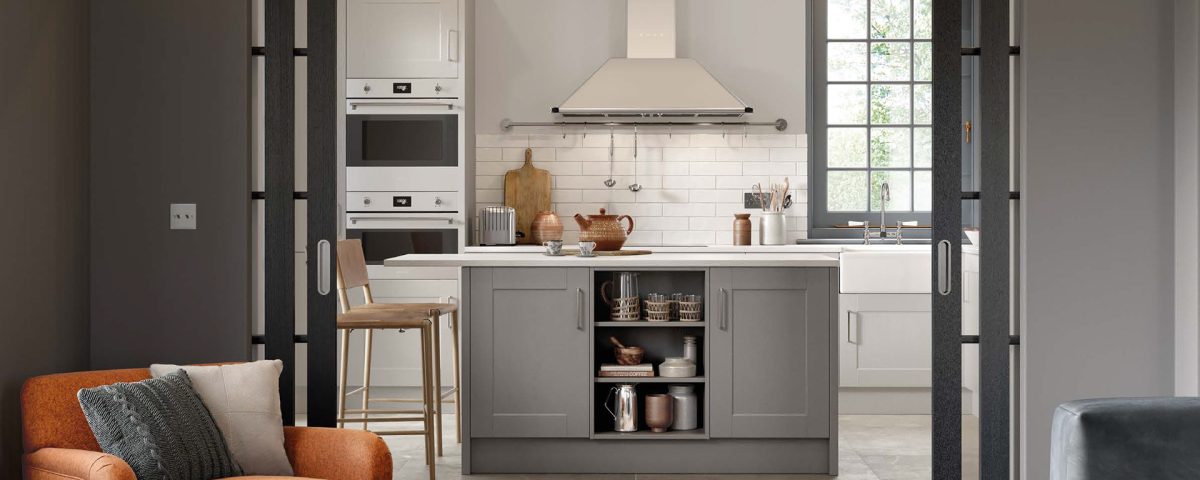
If you love the light and openness of open-plan living, but not the noise, the mess on display, or the lack of “cosy corners”, broken-plan could be the perfect middle ground.
It keeps spaces connected, but gives you subtle separation, so your home feels calmer, more practical, and easier to live in.
What does “broken-plan” actually mean?
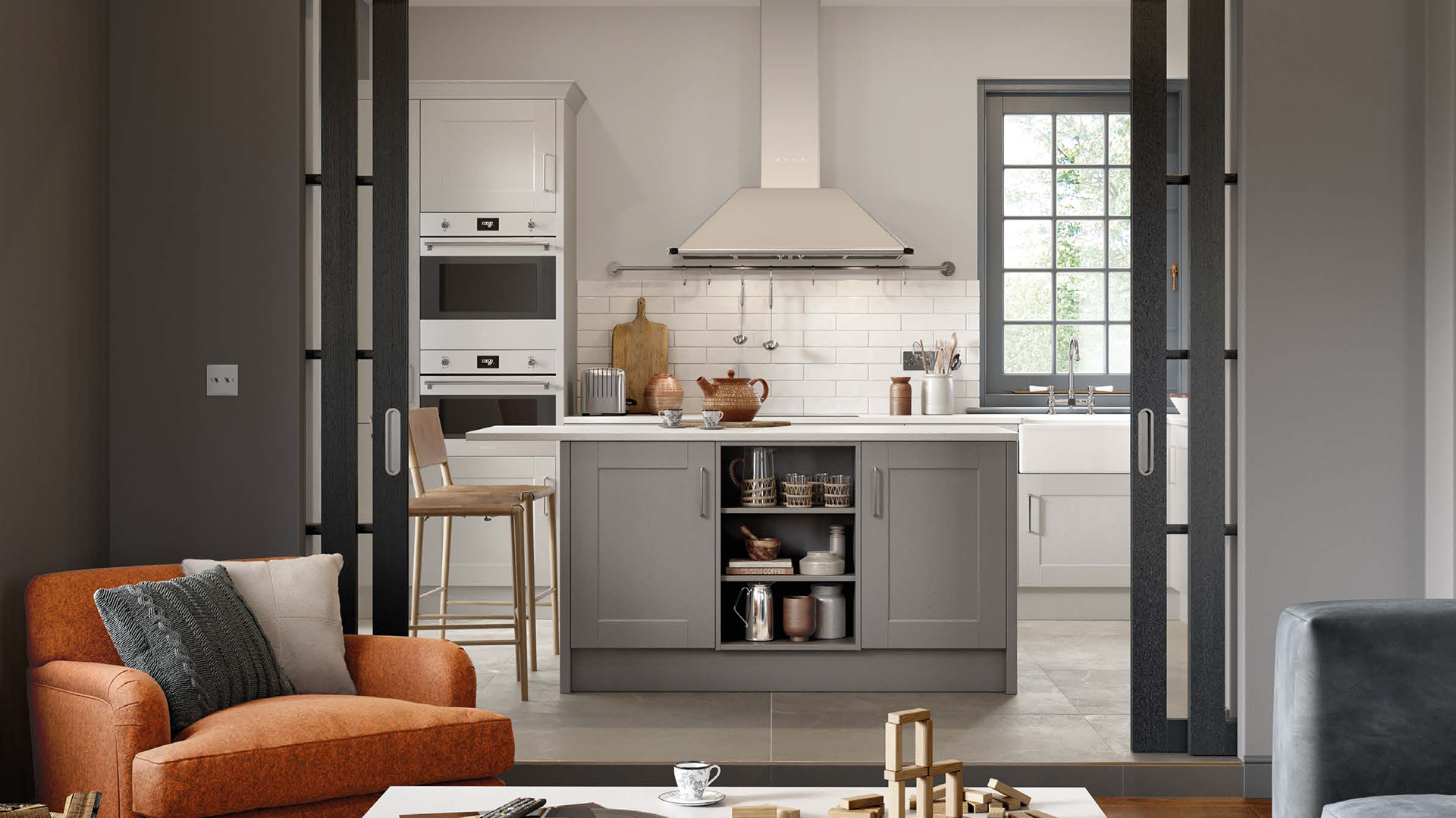
A broken-plan layout is one larger, open space that’s been thoughtfully divided into zones, without full walls and doors shutting everything off. You still get that open, airy feel, but the kitchen doesn’t have to feel like it’s in the living room, and the living area doesn’t have to feel like an extension of your worktop.
It’s about defining areas for cooking, dining, relaxing, and even working, in a way that feels natural.
Why broken-plan feels so good in real life
Open-plan can be brilliant, but it can also be intense. Sound travels, smells linger, and the moment you’ve cooked dinner, everyone can see the washing up. Broken-plan helps by creating gentle boundaries.
You get:
- More privacy without losing the sociable feel
- Better control of noise, especially if someone is watching TV while another person cooks
- Spaces that feel more purposeful, rather than one big room doing everything
- A more homely atmosphere, with distinct “moments” across the space
Ways to create a broken-plan layout
Broken-plan isn’t one look. It can be modern, traditional, minimal, or full of character. Here are some of the most effective ways to achieve it.
Half walls and low partitions
A half wall can create a clear divide while still keeping sightlines and light. It’s ideal if you want the living space to feel separate, but you don’t want to lose that open feel.
Internal glazing or screens
Glass screens or slim-framed partitions are perfect when you want separation without blocking daylight. They work especially well between a kitchen and lounge area, giving you definition while keeping things visually connected.
Islands and peninsulas that act as a boundary
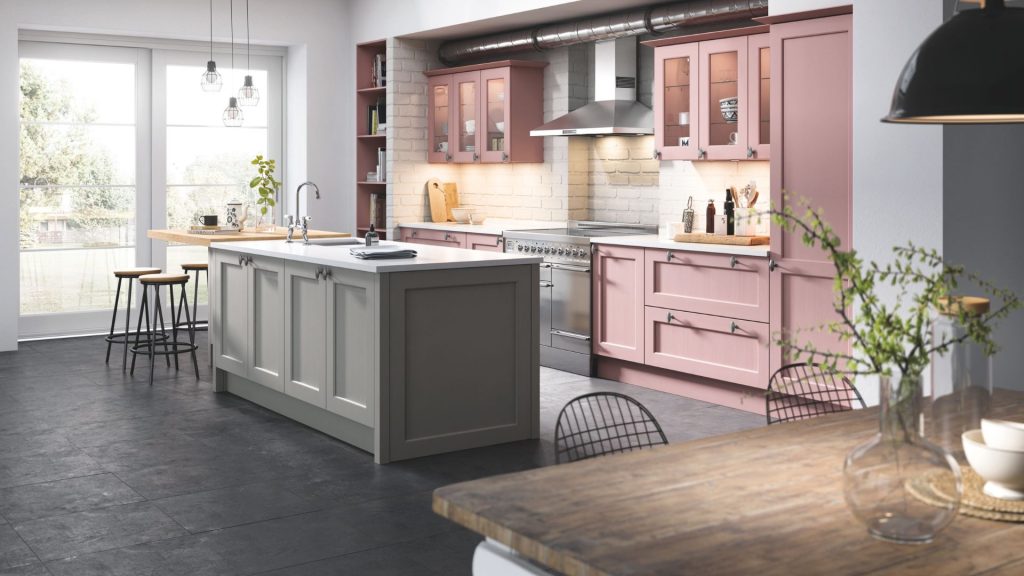
A well-designed island often becomes the natural “break” in the space. It defines the kitchen zone, gives you storage and seating, and creates a sociable facing point so whoever’s cooking still feels part of the conversation.
Furniture-led zoning
Sometimes the simplest option is layout. A sofa positioned with intention, a rug to anchor a seating area, or a console table behind the sofa can all create subtle separation. This is a great approach if you’re not doing building work but still want that broken-plan feel.
Built-in cabinetry and storage features
Cabinetry can be a clever divider, especially if you want the added benefit of storage. A media wall, shelving run, or a low cabinet can create a strong visual boundary, while keeping the space tidy and functional.
Changes in finishes
Even without adding structures, you can “zone” using finishes, for example, different flooring under the dining area, a change of wall colour, or feature lighting that highlights specific zones. These details can make the space feel designed, not accidental.
Is broken-plan right for your home?
Broken-plan works beautifully if:
- You want open-plan light and flow, but prefer spaces to feel defined
- You entertain, but don’t want everything on show
- Your kitchen doubles as family space and you need it to work harder
- You want a calm place to relax, even when the kitchen is busy
- You want a layout that suits day-to-day life, not just how it looks in photos
It can also be a brilliant solution in smaller homes, because zoning can make a space feel more organised and intentional.
The key, making it work for you
The best broken-plan layouts don’t come from forcing a trend into a home. They come from understanding how you live, where you naturally pause, how you move through the space, and what you want the room to feel like – exactly how we like to design at Inline.
That’s where working with a kitchen designer makes a real difference. We look at the whole picture, layout, storage, lighting, sightlines, and flow, then design a solution that suits your home and your budget. Whether your project is a full redesign or a smarter way to improve an existing open-plan space, we’ll help you create something that feels connected, but comfortably yours.
If you’re considering broken-plan living, pop in for a chat, we’d love to talk through what’s possible in your space.

Make storage work harder
Islands are brilliant for storage, especially when you use drawers rather than cupboards. Deep pan drawers for pots, internal organisers for utensils, pull-out recycling, and dedicated zones for small appliances can keep the main runs of cabinetry calmer and more minimal.
A good island can also replace the need for extra wall units, helping a kitchen feel lighter and more open, especially in open-plan rooms.
Seating, get the comfort right
Seating is often the reason people want an island, and it’s also where many islands fall short. The best island seating feels comfortable, not squeezed.
Think about legroom, whether you want stools tucked under, and how many seats you realistically need day-to-day. If the island is for quick breakfasts and company while cooking, two or three well-spaced stools are often better than trying to cram in four.

Islands look best when they feel intentional
Some of the most beautiful kitchens use the island as a design feature, not just a block in the middle.
This could mean:
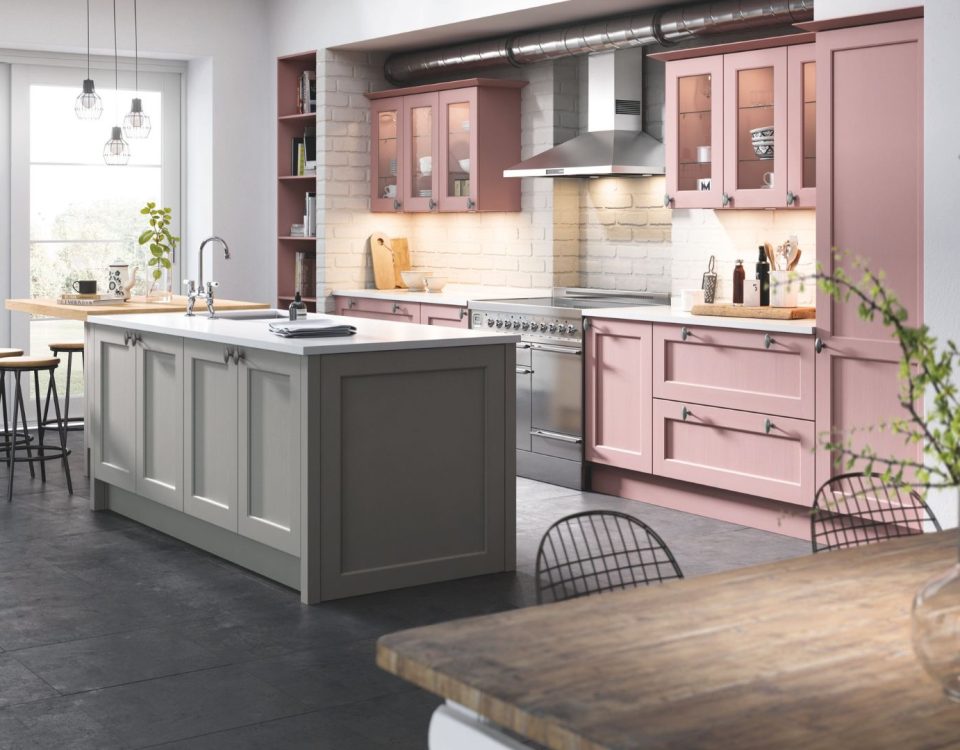
- A contrasting colour on the island to add depth
- A different door style, such as fluted or a timber finish
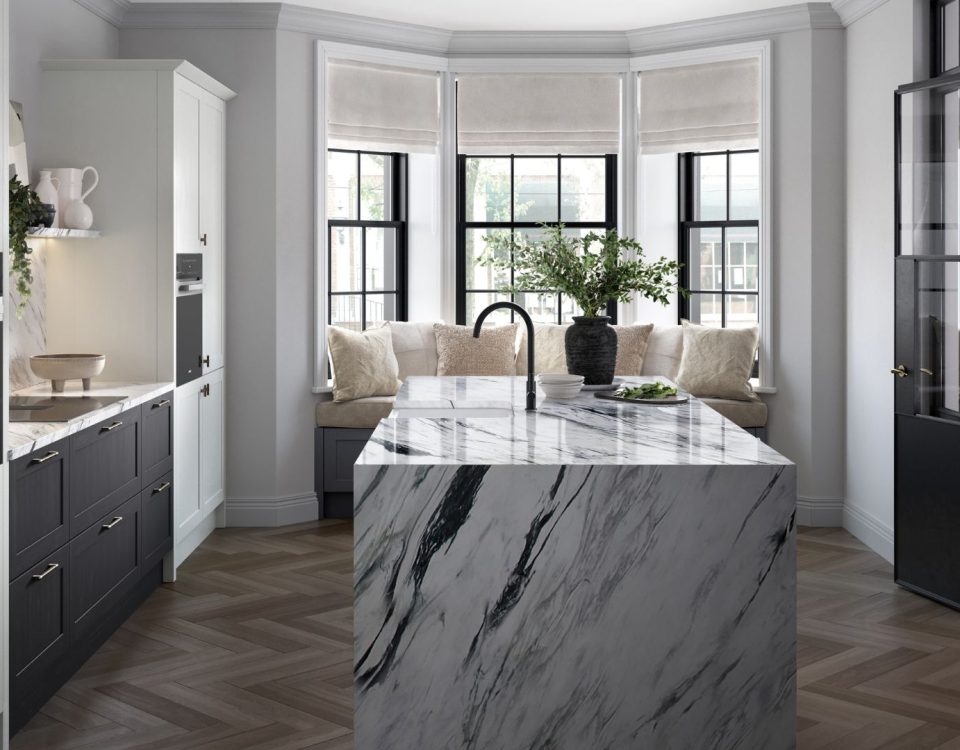
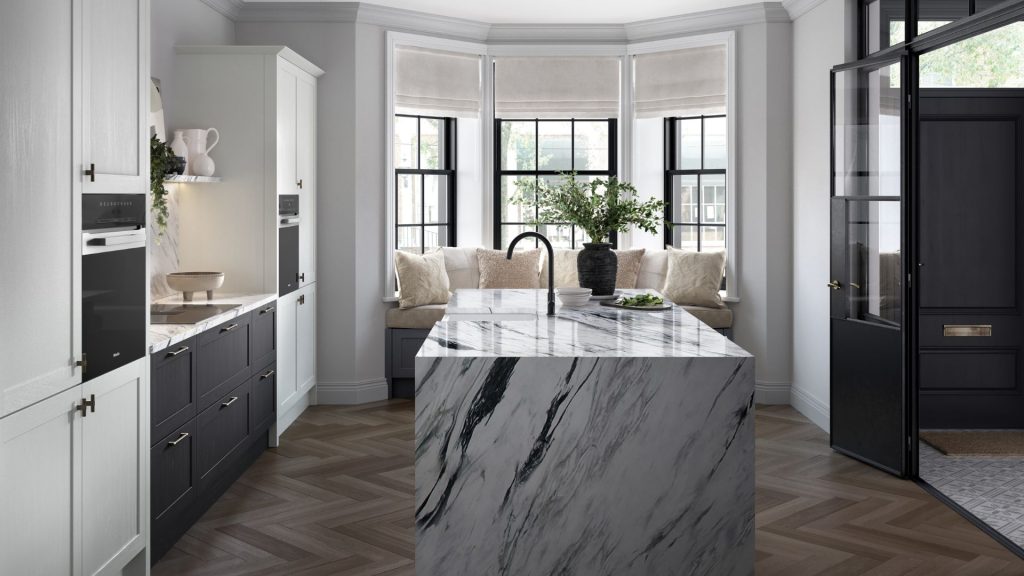
- A statement worktop, like quartz, granite, or porcelain
- Furniture-style details, such as end panels, legs, or a softer edge profile
Our island inspiration shows just how varied islands can be, from classic furniture-style pieces to clean, modern islands with strong architectural lines.
Lighting matters more than people think
Islands need good lighting, for function and atmosphere. Pendant lights create a focal point, while under-cabinet and plinth lighting adds warmth in the evenings. A well-lit island makes the whole kitchen feel more inviting, especially as the seasons change. Thoughtful kitchen details like lighting are often what makes a space feel finished.
Power points and practicality, plan them early
If your island is going to be used properly, you’ll likely want power for charging, small appliances, or a hidden socket for entertaining. Planning this early avoids awkward extensions later and keeps the island looking clean.
If you’re including a hob or sink, you’ll also need to consider extraction and plumbing routes, these are completely doable, but they need designing properly from the start.
Choose the right worktop for island life
Islands get used hard. They’re often the main prep space, the gathering spot, and the dumping ground for post and school bags. A durable, easy-care worktop can make everyday life easier, especially in busy homes.
If you want your island to feel like a statement, a bolder surface or waterfall edge can create a beautiful centrepiece, while still being practical.
Find out more in our Choosing the Right Worktop blog here.

When an island isn’t right, don’t force it
Not every kitchen needs an island, and forcing one in can make the room feel cramped. Designers often warn that squeezing an island into a space that can’t comfortably accommodate it creates traffic issues and makes the whole kitchen feel smaller.
If you love the idea of a social hub but space is tight, a peninsula, a compact island, or a different layout can still give you that “gathering point” feeling.
A kitchen island should fit your home, and your budget
An island can be as simple or as feature-led as you like. The key is designing it around you, how you cook, how you entertain, how much storage you need, and what you want your kitchen to feel like. We help you make those decisions clearly, and we’ll always keep the design grounded in what works for your space and your budget.
If you’re considering a kitchen with an island, pop in for a chat or contact us here, we’ll help you work out what’s possible and design an island that earns its place at the heart of your home.